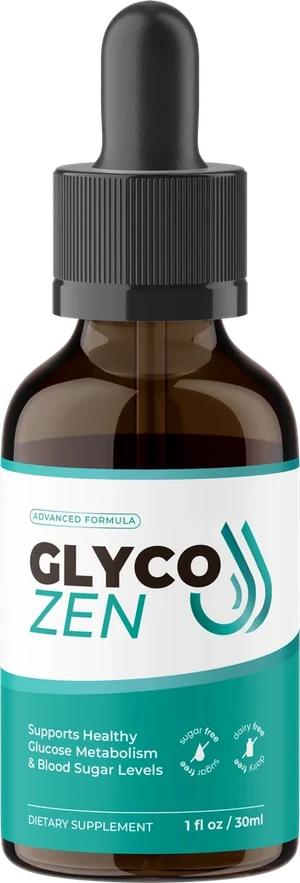
Quick answer: GlycoZen's website names four ingredients: berberine, Gymnema sylvestre, Ceylon cinnamon and chromium. No amounts are published. Berberine has the strongest blood sugar evidence and the most drug interactions. All four may add to diabetes medicines.
From the label
First, an honesty note
Good to know: the brand website names four ingredients but shows no Supplement Facts panel, no doses and no official directions. Its reference list also cites studies on magnesium, alpha-lipoic acid, bitter melon and others that are not named as ingredients. We do not invent doses; read the label on your bottle.
The four ingredients
Berberine
A yellow compound from plants such as goldenseal and barberry. Reviews of trials at about 1,000 to 1,500 mg a day found it lowered fasting glucose and HbA1c in people with type 2 diabetes. It commonly causes stomach upset and interacts with many medicines.
NCCIH on berberineGymnema sylvestre
An Ayurvedic leaf that briefly blocks sweet taste and may slow sugar absorption. Small trials, often at 400 to 500 mg of extract, found modest glucose drops. It can add to diabetes medicines.
Gymnema research on PubMedCeylon cinnamon
"True" cinnamon, lower in coumarin than the common cassia type. Studies of cinnamon for blood sugar are mixed, with small effects at 1 to 6 g a day.
NCCIH on cinnamonChromium
A trace mineral involved in insulin action. Studies show small and inconsistent effects on blood sugar, mainly in people with type 2 diabetes.
NIH ODS chromium fact sheetEvidence at a glance
| Ingredient | Typical study dose | Evidence |
|---|---|---|
| Berberine | 1,000–1,500 mg a day | Moderate in type 2 diabetes |
| Gymnema | 400–500 mg extract | Limited, small trials |
| Ceylon cinnamon | 1–6 g | Mixed, small effects |
| Chromium | 200–1,000 mcg | Small, inconsistent |
A liquid serving of about 1 mL makes gram-level doses unlikely, but without a label we cannot say.
Key cautions
- All four may lower blood sugar; combined with diabetes medicine the risk of hypoglycemia rises.
- Berberine changes how the liver processes many drugs.
- Berberine is not safe in pregnancy or breastfeeding.
- Cassia cinnamon has coumarin; Ceylon has much less.
More on the how to use page. Deeper reading: berberine and blood sugar.
References
- NCCIH: Berberine.
- NCCIH: Cinnamon.
- NIH Office of Dietary Supplements: Chromium.
- NCCIH: Diabetes and dietary supplements.
- NIDDK: Low blood glucose (hypoglycemia).
- CDC: Prediabetes and type 2 diabetes prevention.
Frequently asked questions
General information, not medical advice. GlycoZen is a dietary supplement and is not intended to diagnose, treat, cure or prevent any disease.